
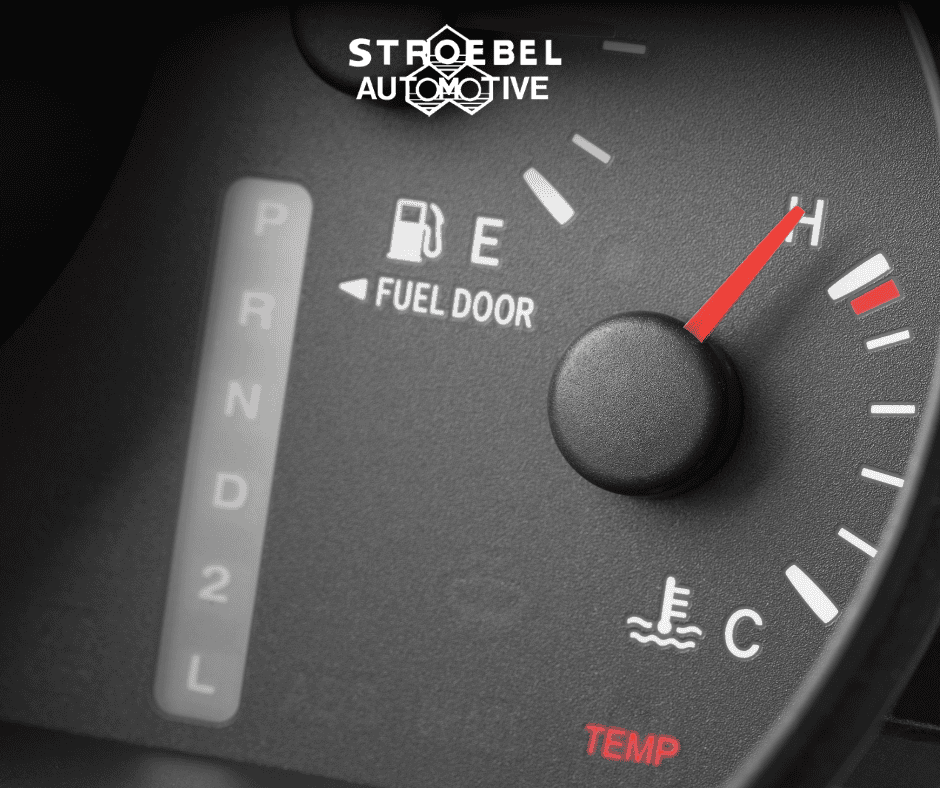
When temperatures rise during the summer months, your vehicle has to work harder to stay cool. While modern cooling systems are designed to handle heat, extreme temperatures, increased travel, and neglected maintenance can all contribute to engine overheating. Understanding why cars overheat in the summer can help you avoid costly repairs and unexpected breakdowns.
How Your Cooling System Works
Your vehicle’s cooling system is responsible for keeping the engine at a safe operating temperature. Coolant circulates through the engine, absorbing heat and carrying it to the radiator, where it is cooled before returning to the engine. If any part of this system isn’t working properly, heat can build up quickly.
Common Reasons Cars Overheat in Summer
Low Coolant Levels
Coolant is essential for regulating engine temperature. Over time, coolant can become low due to leaks, evaporation, or normal wear. If there isn’t enough coolant in the system, your engine may struggle to stay cool, especially during hot weather.
Cooling System Leaks
Leaks can occur in hoses, the radiator, water pump, or other cooling system components. Even a small leak can cause coolant levels to drop and increase the risk of overheating.
Faulty Thermostat
The thermostat controls the flow of coolant through the engine. If it becomes stuck closed, coolant cannot circulate properly, causing engine temperatures to rise rapidly.
Radiator Problems
A clogged, damaged, or dirty radiator may not be able to effectively remove heat from the coolant. Road debris, corrosion, and age can all impact radiator performance.
Failing Water Pump
The water pump keeps coolant moving through the engine and radiator. If it begins to fail, coolant circulation is reduced, which can quickly lead to overheating.
Heavy Summer Driving
Road trips, towing trailers, stop-and-go traffic, and extended idling all place additional stress on your engine during hot weather. Combined with high outdoor temperatures, these conditions can increase the likelihood of overheating.
Warning Signs of an Overheating Engine
Don’t ignore these signs that your vehicle may be running too hot:
- Temperature gauge climbing into the red zone
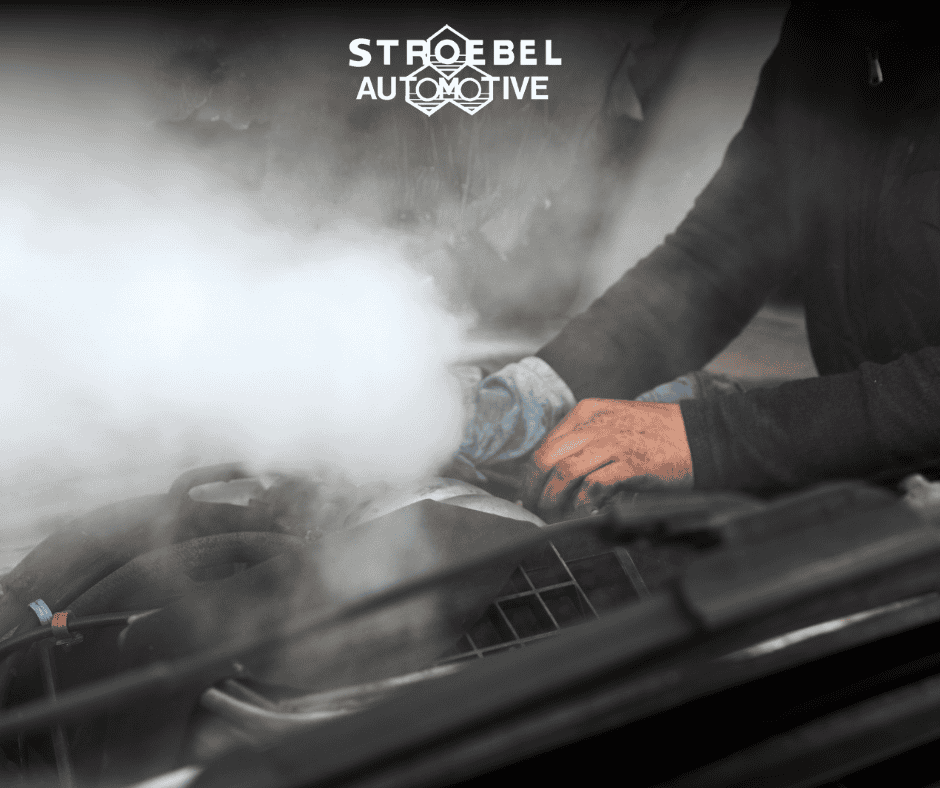
- Steam coming from under the hood
- Sweet smell from leaking coolant
- Warning lights on the dashboard
- Reduced engine performance
- Unusual knocking or ticking noises
What to Do If Your Car Overheats
If your temperature gauge starts rising:
- Turn off the air conditioning and turn on the heater to help pull heat away from the engine.
- Safely pull over as soon as possible.
- Turn off the engine and allow it to cool.
- Never remove the radiator cap while the engine is hot.
- Contact a trusted repair shop if the issue persists.
Continuing to drive an overheating vehicle can cause severe engine damage, including blown head gaskets and warped engine components.
Prevent Summer Overheating
The best way to avoid overheating is through regular maintenance. Having your cooling system inspected can help identify problems before they leave you stranded on the side of the road.
At Stroebel Automotive, our technicians can inspect your coolant, radiator, hoses, thermostat, water pump, and overall cooling system to ensure your vehicle is ready for summer driving.
Stay Cool This Summer
Whether you’re commuting around town or heading out on a road trip, don’t let an overheating engine ruin your plans. Schedule a cooling system inspection with Stroebel Automotive and enjoy peace of mind all summer long.
Stroebel Automotive – Keeping Mid-Michigan Drivers Safe and Reliable, Mile After Mile. 🚗☀️🔧